
Reviewed · NOMAD FAMILY & GER CAMP STAYS
Nomad Family Home Stay in Arkhangai Province
The heart of this trip is not a famous monument. It is waking in a nomadic family’s ger, drinking milk tea, tasting homemade dairy products, and joining the household’s daily work. I like the close look at Mongolian life, and I like that guide Enni and the driver can adjust plans for special interests, even fitting in a local horse-racing festival when one is taking place.
The main trade-off is simple: you spend a lot of time in the car, and comfort is basic. A few nights may have no internet or shower, the nights can be cold, and the Mini Gobi section feels more touristy than the family stays. The schedule is also described as a week in the overview, but the day-by-day plan covers five days.
Key points before you book
- Stay inside traditional gers: Sleep with nomadic families and experience meals, milk tea, fermented horse milk, and homemade dairy foods in a working household.
- Share the family routine: You may help milk cows, herd livestock, or make dairy products instead of simply watching a staged cultural display.
- Ride across Khangai valleys: A guided one-hour horse ride gives you a taste of Mongolia’s best-known rural transport.
- See Orkhon Waterfall: The route combines family life with one of central Mongolia’s major natural sights.
- Visit Mongolia’s former capital: Erdenezuu Monastery and the Kharkhorin Museum add useful historical context.
- Expect a softer desert finish: The Mini Gobi offers dunes and a short camel ride, but it is not a substitute for a full Gobi trip.
What this nomad homestay is really about
This experience works best when you treat it as a cultural stay with scenery, not as a checklist of Mongolian attractions. The most valuable hours happen around the family’s ger, where everyday jobs carry more meaning than a quick photo stop.
You may milk cows, help with livestock, or take part in making dairy products. Food can include homemade milk products, milk tea, and fermented horse milk. These are not decorative extras. They show how a family turns its animals and surroundings into food, income, and hospitality.
You also get time to ask questions and watch how the household works. The families are described as welcoming and open to showing their daily life, which gives you a more useful understanding of nomadic culture than a museum visit alone.
That said, this is not a hotel stay with a rustic theme. You should be ready for basic washing facilities, little or no internet for several days, and no nearby shops at the family’s home. I would bring snacks, a refillable water bottle, a headlamp, and a light sleeping bag. Nights can be cold, so wool layers are a smart choice even if the days are mild.
More nights with a nomad family:
- MONGOLIAN NOMADS: 2-Day Horse Trekking & Cow Milking Tour
★ 4.8 · 23 reviews - Overnight Semi-Gobi Tour with Nomadic HomeStay
★ 4.5 · 6 reviews - 2D,1N Gobi desert and Old city Kharkhorum stay with Nomadic family
★ 5.0 · 5 reviews
Day 1: Leaving Ulaanbaatar for the Khangai Mountains
Your first morning begins with a trip briefing, then a long drive from Ulaanbaatar. The road journey is part of the experience, but it is also the first test of your patience. You will spend many hours in the vehicle, with toilet and shop stops along the way.
The reward is the changing view outside the window. The city gives way to broad steppe and mountain country as you move toward the Khangai region. Since the trip is built around remote family homes, the drive is not something the operator can simply avoid.
By late afternoon, you reach your first nomadic family and settle into a ger. The welcome dinner gives you an easy introduction to the household and its food. This is a good time to ask about the family’s animals, seasonal movement, and daily work, although the exact routine will depend on what needs doing that day.
Sleeping in a ger is central to the experience. You are not just visiting a family for an hour, then returning to a standard hotel. You share the setting for the night, with the plain comforts and quiet that come with rural Mongolia.
Day 2: Work, food, and a mountain walk
Day two gives you the clearest look at nomadic life. You may help milk cows, herd livestock, or prepare dairy products. The work is practical and seasonal, so the exact activities can change, but the point is your participation in the family’s routine.
I especially like this part because it avoids turning culture into a performance. Making dairy food or helping with animals can be more revealing than a formal demonstration. You see the effort behind the meals you are served and gain a clearer idea of how closely work, food, and family life are linked.
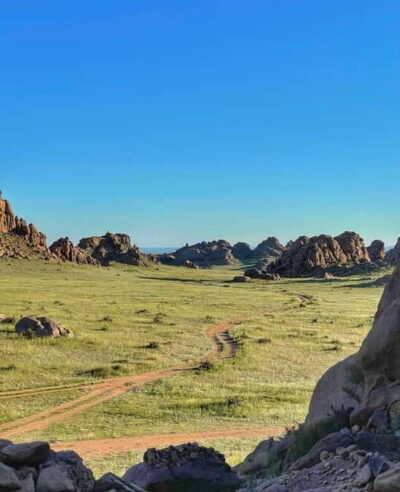
In the afternoon, a guided hike takes you into the nearby mountains. The walk provides broad views across the steppe and a change of pace after the drive and household tasks. It is also a useful chance to enjoy the setting without trying to fill every minute with an organized activity.
At night, the lack of light pollution becomes one of the trip’s best features. Clear skies can bring striking sunsets and stars, with no city glow to wash them out. This is the sort of small, quiet reward that makes the basic conditions feel worthwhile.
Day 3: Orkhon Waterfall and a first horse ride
You leave the first family in the morning and drive toward Orkhon Waterfall. The change of host gives the trip some variety, but it also means you spend another large part of the day on the road.
At the waterfall, you settle in with another nomadic family and have a home-cooked lunch. The setting adds a major natural stop to the cultural focus of the trip. You can enjoy the waterfall and surrounding valleys without losing the family connection that makes this tour different from a standard sightseeing circuit.
The afternoon brings about an hour on horseback. You receive an introduction to riding before heading into the nearby valleys. This is a sample ride rather than a full riding holiday, so it suits beginners and people who want to try Mongolia’s famous horse culture without committing to several days in the saddle.
The ride may be one of the most memorable moments of the trip, but you should keep expectations in proportion. One hour is enough to feel the rhythm of riding and see the countryside from horseback. It is not enough for advanced riding instruction or a long wilderness expedition.
Dinner is followed by a quiet evening under the stars. After a full day of driving and riding, the simple pace works well.
Further out of the capital, a different kind of trip:
- From Ulaanbaatar: Genghis Khan Statue NationalPark CamelRide
★ 4.8 · 353 reviews - Genghis Khan Statue Day Tour+National Park+Camel Ride+Eagle
★ 4.5 · 261 reviews - From Ulaanbaatar: Central Mongolia Guided 3-Day Tour
★ 4.6 · 186 reviews - Ulaanbaatar: Small Group 3-Day Best of Central Mongolia Tour
★ 4.1 · 171 reviews
Day 4: Kharkhorin, Erdenezuu, and the Mini Gobi
Day four shifts from family life to Mongolia’s past. On the way to the Mini Gobi, you visit Erdenezuu Monastery and the Kharkhorin Museum.
Erdenezuu is tied to Kharkhorin, the historic capital of the Mongol Empire. The museum helps explain the area and gives you context that the open steppe alone cannot provide. If you know little about Mongolian history, this stop makes the rest of the route easier to understand.
The timing matters. The monastery and museum are not the main reason to book this trip, but they break up the drive and add substance to the journey. They also provide a useful contrast with the nomadic homes, showing a different side of Mongolia’s religious and political past.
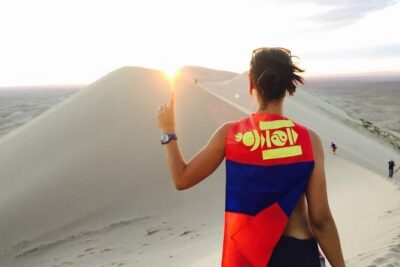
Later, you reach the Mini Gobi and stay at a traditional ger camp. The dunes offer a quick taste of desert scenery, followed by a camel ride of about 30 minutes. In practice, the ride may be shorter and stay only a short distance into the dunes, so do not book this trip mainly for its desert section.
This is the least convincing part for someone seeking a quiet, remote experience. The ger camp and camel ride feel more geared to sightseeing than the family stays. Still, the Mini Gobi makes sense if you have limited time and want to add dunes and camels without arranging a separate Gobi expedition.
If a real desert journey is your main goal, choose a proper Gobi tour instead. Here, the desert is a brief finale to a trip focused on nomadic families.
Day 5: The long return to Ulaanbaatar
The final morning begins the drive back to Ulaanbaatar. As on the outward journey, you should expect a substantial amount of time in the vehicle, with breaks at shops and toilets along the way.
Back in the capital, you have free time for souvenirs or local museums. The exact choice depends on your arrival time and the guide’s schedule, so I would not plan a tightly timed independent activity for this afternoon.
A farewell dinner closes the trip. It gives you a chance to look back at the family stays, the mountain walk, the waterfall, the horse ride, and the historic stops. The schedule is compact, so the final dinner may be welcome simply because it lets you slow down after several days of moving between remote areas.
The strongest part: living with the families
The family homestays deserve most of your attention when deciding if this trip is right for you. The accommodation is simple, but the access is personal. You share food and space with people who are willing to show you how they live.
Homemade dairy products are a real feature. You may taste fermented horse milk, milk tea, and other milk-based foods prepared by the family. Some flavors and textures may be unfamiliar, but trying them is part of understanding the household economy and diet.
You should also prepare for a gap in comfort. There may be no internet and no shower for a few days. This is not a minor detail if you need regular connectivity or expect hotel-style washing facilities. For me, the lack of online distraction fits the setting, but it will not suit everyone.
Bring warm layers, especially wool, and consider packing a light sleeping bag. The ger may be warm during the day and cold at night. Since the family home has no nearby shops, buy personal supplies before leaving the city.
Guide support, transport, and flexibility
The package includes an English-speaking professional guide, a skilled driver, transport, meals listed in the schedule, accommodation, the horse ride, and the nomad family stays. Guide Enni is specifically associated with this trip, and the guide and driver can respond to special requests when the schedule allows.
That flexibility can make a real difference. A local horse-racing festival was added to one guest’s schedule after the guide learned it would happen during the stay. You should not assume every special event can be included, but it is worth telling Enni what interests you before and during the journey.
The driver matters because of the long distances and changing roads. You are not arranging separate transfers between the families, waterfall, historical sites, and Mini Gobi. The vehicle keeps the route practical, though the price of that convenience is many hours on the road.
The package does not include travel insurance, personal spending, extra drinks, tips for local guides and drivers, optional activities, or costs caused by events outside the operator’s control. Budget for those separately.
Is $808 a fair price?
At $808 per person, this is not a cheap weekend outing. You are paying for private-style support from a guide and driver, long-distance transport, several meals, family accommodation, a horse ride, and a route that joins remote cultural stops with major sights.
The value depends on what you want. If you mainly want comfortable hotels, fast transfers, strong internet, and a polished desert camp, the price may feel high. If you want direct contact with nomadic families and do not want to plan the complicated transport yourself, the cost is easier to justify.
The homestay element carries the most value. A standard central Mongolia sightseeing tour may show you a ger and explain nomadic culture, but this trip gives you time to eat, sleep, work, and talk within that setting. The horse ride, Orkhon Waterfall, monastery, museum, and Mini Gobi round out the route.
I would judge the price by the family days, not by the short camel ride. If those days are your reason for coming, $808 can be reasonable. If the Mini Gobi or camel ride is your main draw, spend your money on a longer desert trip.
Who should book this experience?
I would recommend it to you if you want close contact with Mongolian families, can handle basic accommodation, and are comfortable with long drives. It suits curious first-time visitors who want more than photo stops and are willing to join daily activities.
It also works well if you have only a few days and want several central Mongolian highlights in one organized trip. The route gives you mountains, steppe, a waterfall, horseback riding, historic Kharkhorin, monastery architecture, and a small desert area.
I would hesitate to recommend it if you need a shower every day, reliable internet, or a short transfer schedule. It is also not the best choice for a serious horse trek or a true Gobi expedition. The one-hour ride is introductory, and the Mini Gobi section is brief.
The overview calls the experience a week, while the detailed plan runs from day one to day five. Confirm the exact number of nights and travel dates before paying, since that affects how much time you actually spend with the families.
Final decision: book for the people, not the camel ride
Book this trip if you want the chance to share ordinary life with Mongolian nomads, taste homemade dairy food, sleep in gers, and look up at a star-filled sky far from city lights. The family stays, guide support, and flexible planning are the strongest reasons to go.
Skip it if your priority is a full desert journey, luxury comfort, or minimal time in the car. For the right kind of visitor, this is a practical way to meet Mongolian families and see several important places without arranging a complex route yourself. Just pack warm clothing, accept the basic facilities, and give the nomadic stays the attention they deserve.
FAQ
Where does the nomad family homestay take place?
The experience is listed in Bulgan Province and travels through the Khangai Mountains area of Mongolia, with stops near Orkhon Waterfall, Kharkhorin, and the Mini Gobi.
How long is the tour?
The detailed schedule runs for five days, from day one through day five. The overview describes it as a week, so confirm the exact duration when booking.
What accommodation is included?
You stay with nomadic families in traditional gers and spend a night at a traditional ger camp in the Mini Gobi area.
Is horseback riding included?
Yes. The itinerary includes an introductory horseback ride of about one hour near Orkhon Waterfall.
Is the camel ride included?
Yes. A short camel ride of about 30 minutes is planned at the Mini Gobi, although the actual riding time may be shorter.
What does the $808 price include?
The price includes the nomad family stay, accommodation listed in the schedule, meals stated in the itinerary, the horse ride, an English-speaking guide, a professional driver, and transportation. Travel insurance, personal expenses, extra drinks, gratuities, optional excursions, and additional services are not included.
Just added around Ulaanbaatar
- Terelj National Park & Chinggis Khan Statue Day Tour★ 5.0 · 3 reviews
- 8 Day Great Gobi and Central Mongolia★ 5.0 · 3 reviews
- 2 Days Tour: Terelj National Park And Chinggis Statue★ 5.0 · 3 reviews
- Horseback Riding Tour to Turtle Rock & Aryabal★ 5.0 · 3 reviews
- Terelj and World energy center Gobi overnight train tour★ 5.0 · 3 reviews
- A Day Aglag Buteel Temple★ 4.5 · 3 reviews
- Essence of Mongolia 5 Days★ 5.0 · 3 reviews
- Transfer service to Terelj national park★ 5.0 · 3 reviews
Nomad Family & Ger Camp Stays, compared.
MONGOLIAN NOMADS: 2-Day Horse Trekking & Cow Milking Tour
Read our review →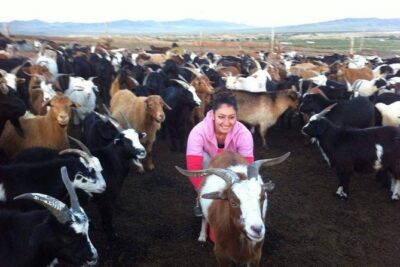
2D,1N Gobi desert and Old city Kharkhorum stay with Nomadic family
Read our review →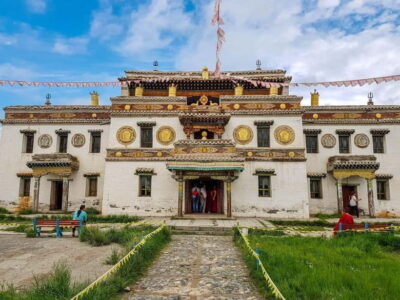
Browse the lists this tour appears in