
Reviewed · KHARKHORIN & CENTRAL MONGOLIA TOURS
2 day Central Mongolia
Mongolia’s big surprise is how much open country you can reach in only two days. This trip pairs a camel ride and ger night in the semi-Gobi with Kharkhorin, Erdene Zuu Monastery, Mongol Empire museums, and a possible visit to Hustai National Park.
I like the efficient route and the human side of the trip. You meet nomadic families, eat local food, and may hear traditional music at the ger camp. Guides such as Tsoki, Utaa, Ortho, and Urtnasan have been praised for warm care and strong English.
The catch is the driving. Four hours each way to the semi-Gobi is only part of the road time, and the second day can still feel rushed. At $344.27 per person, this is best for a first taste of Mongolia, not for a slow, low-cost journey.
Key points to know before booking
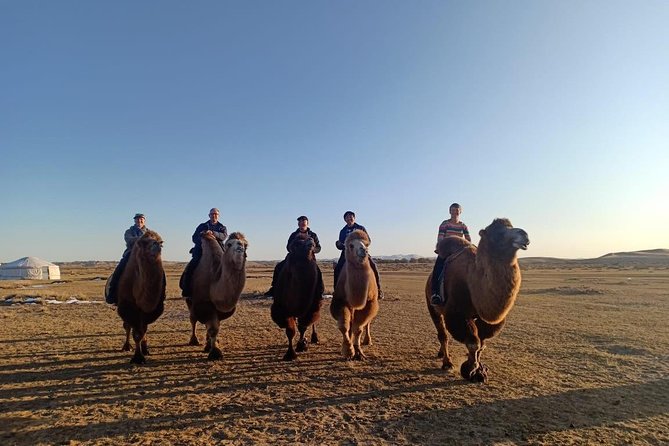
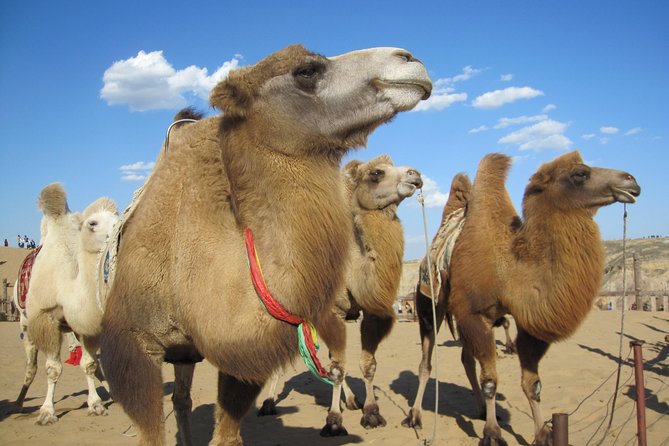
- Camel riding in the semi-Gobi: A short ride gives you a close look at these gentle, shaggy animals and a very different view of Mongolia’s dry interior.
- A night in a ger: The traditional round tent is the heart of the experience, with local food and possible live music in the evening.
- Erdene Zuu Monastery and Kharkhorin: You visit one of Mongolia’s most important Buddhist sites alongside museums tied to the Mongol Empire.
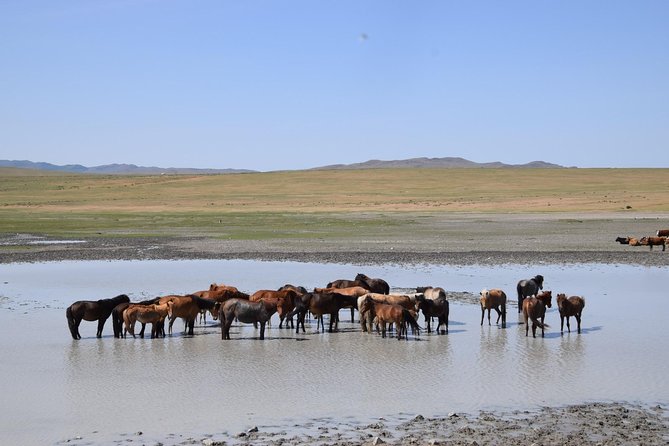
- Possible Przewalski horses: Hustai National Park is part of the route, but weather or park conditions can prevent the visit.
- Small-group transport: The maximum group size is 12, with hotel pickup and a scheduled 8:00 am start.
- A demanding two-day schedule: You see a lot, but long drives leave little room for unplanned stops or a relaxed pace.
What this two-day Mongolia trip is really offering
This is not a gentle city break with a countryside add-on. It is a fast-moving introduction to several parts of Mongolian life: nomadic customs, Buddhist architecture, imperial history, wildlife, dry steppe, and the practical reality of long-distance travel in a huge country.
The route heads west from Ulaanbaatar toward the semi-Gobi, then continues to Kharkhorin, the old center of the Mongol Empire. The return brings you toward Hustai National Park and its famous wild horses, though that wildlife stop depends on conditions.
I see the trip as a sampler. You will not have time to settle into the rhythm of the countryside, but you will get experiences that are hard to arrange independently in two days. The guide and driver also matter a great deal here. Past departures have singled out Tsoki, Utaa, Ortho, Urtnasan, and several drivers for kindness, safe driving, clear English, and flexibility.
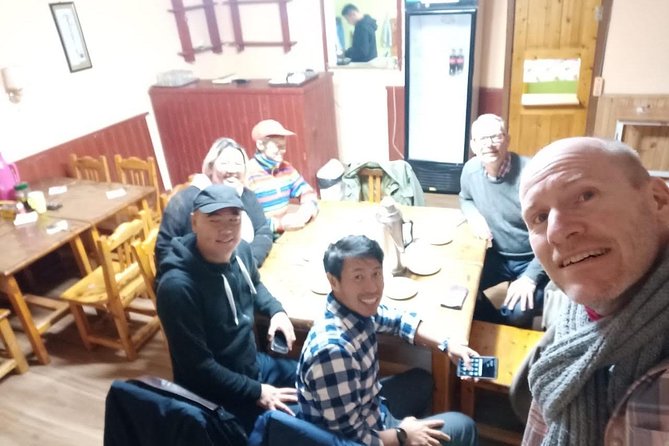
The group can reach 12 people. That is small enough for a more personal outing, but large enough that meals, bathroom stops, and timing may not move at your own pace.
More of central Mongolia:
- From Ulaanbaatar: Central Mongolia Guided 3-Day Tour
★ 4.6 · 186 reviews - Ulaanbaatar: Small Group 3-Day Best of Central Mongolia Tour
★ 4.1 · 171 reviews - From Ulaanbaatar: Semi Gobi and Ancient Kharkhorin Tour
★ 4.5 · 114 reviews
Day one: paved road, semi-Gobi scenery, and camel country
Pickup begins at your hotel at 8:00 am. The first major stretch takes about four hours on a paved road, with coffee and toilet stops along the way. That sounds simple, but the distance is an important part of the experience. Mongolia rewards patience, and the road gives you a long view of wheat fields, open steppe, and changing ground as Ulaanbaatar fades behind you.
The semi-Gobi is not a vast sea of dunes at every turn. It is a mixed dry region, with open grassland and sandy or desert-like areas. That variety is part of its appeal. You get a taste of the Gobi without spending several days reaching the far south.
The camel ride is one of the clearest highlights. Bactrian camels are suited to Mongolia’s cold, dry conditions, and their thick coats make them look almost comically soft. The ride is generally treated as an activity rather than a long expedition, so it works well for first-time riders. You should still expect a basic rural setting, not a polished amusement park.
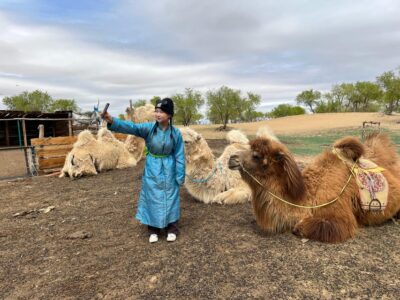
This is also where the nomadic element becomes more than a passing view through a vehicle window. You may visit a local family, see a ger, learn about daily life, and eat a meal connected to the community. The quality of that visit can vary. Some departures have enjoyed the food and friendly hosts, while another found the lunch sparse and the welcome less warm. Keep your expectations grounded: this is a working rural home or camp, not a staged cultural show.
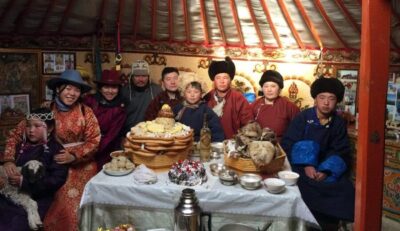
The overnight stay is in a ger, Mongolia’s traditional round dwelling. The spelling sometimes appears as gur or yurt, but the basic idea is the same. For many people, this is the trip’s most memorable part. A ger gives you a direct feel for Mongolian shelter, heating, and communal space, while also reminding you that comfort here is practical rather than luxurious.
Evening entertainment may include live traditional music at the camp. That is a pleasant extra, not something to treat as guaranteed for every departure. If the performance takes place, it adds a strong cultural note to an already unusual night.
Food has received both warm and critical reactions, so I would judge the meal as part of the setting rather than the main reason to book. Bring a few snacks if you are particular about food, and do not assume that the all-inclusive wording means every small need is covered. One past departure had only one small bottle of water, so carrying extra water is sensible.
Day two: Kharkhorin, Erdene Zuu, and Mongolia’s imperial past
After breakfast, the route includes a short city tour before the historical visits. Kharkhorin, also written as Karakorum, was the capital associated with the Mongol Empire under Ögedei Khan in the 13th century. Modern Kharkhorin is much smaller and quieter than the name may suggest, but that contrast is useful. You are seeing an active town beside the remains and stories of a former imperial center.
The 13th-century Mongol Empire museum helps put the region in context. It is the place to connect the broad idea of Mongol conquest with the local ground beneath your feet. Museum time is valuable here because the open country can make historical sites feel abstract. Exhibits give you dates, rulers, objects, and a clearer sense of why Kharkhorin mattered.
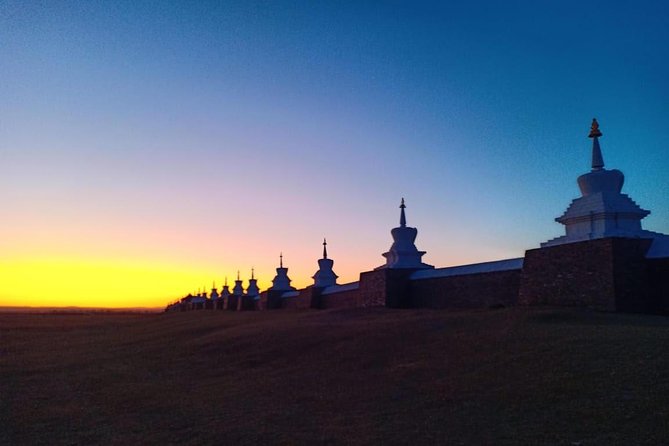
Erdene Zuu Monastery is the major historical stop. Built in the 16th century using stones from the old imperial capital, it is among Mongolia’s most important Buddhist sites. The monastery complex is known for its walls and stupas, and its scale gives you a stronger sense of Mongolia’s Buddhist past than a quick stop in Ulaanbaatar can provide.
I would allow yourself time to look closely rather than simply take a few photographs and return to the vehicle. The buildings, courtyards, and religious details reward a slower eye. The monastery is also a reason some people find the trip worthwhile despite the long roads.
A guide can make a real difference at both the museum and monastery. Guides have explained Mongolian life, Buddhism, and the region’s past in English, and several have been praised for answering questions instead of simply moving the group from stop to stop. If you have a special interest in religion or empire, tell your guide early.
Some departures have also stopped at an Empire Map monument near Kharkhorin. It provides a broad view toward the Orkhon Valley and the town. Treat this as a possible addition rather than a guaranteed feature of every schedule, since the core description focuses on the museum and monastery.
Hustai National Park and the chance to see wild horses
The wildlife portion is appealing but less certain than the cultural stops. Hustai National Park is known for Przewalski horses, one of the world’s last truly wild horse species. The animals are a major reason to include the park, especially if you want wildlife alongside history and nomadic culture.
You need to keep the word possible firmly in mind. Poor weather or park closures can remove this part of the route. One departure could not visit the park because of conditions, and no alternate activity was offered. That is a practical weakness, especially if seeing wild horses is your main reason for booking.
The schedule can also place most activities on the first day, leaving day two focused on lunch, Hustai, and the long drive back. One past itinerary ran late after several hours of road travel, which reduced the amount of time available for the park. The vast distances are not the fault of the guide, but they still affect the value of your day.
If the park is open, listen closely to the guide’s instructions and allow the search to take time. Wild horses do not perform on demand. The payoff is the chance to see them in their natural setting, not a guaranteed close encounter.
A few more Ulaanbaatar trips to weigh up
- MONGOLIAN NOMADS: 2-Day Horse Trekking & Cow Milking Tour
★ 4.8 · 23 reviews - From UB: 2-Days Tour to Kharhorin and sand Semi Gobi
★ 4.5 · 17 reviews - Kharkhorum, Semi-Gobi 2 days 1 night private trip
★ 5.0 · 4 reviews - 2 Day Central Mongolian Adventure
★ 4.5 · 4 reviews
The real cost: is $344.27 fair?
At $344.27 per person, this is not a bargain tour in the narrow sense. A budget-minded visitor may look at the driving, basic ger accommodation, and local meals and decide that the price feels high. One past participant judged that the same journey could cost far less when arranged another way.
The price becomes easier to defend if you value convenience. You are paying for hotel pickup, a driver, an English-speaking guide, transport across a large area, meals, a ger night, sightseeing, and the planning needed to connect the semi-Gobi, Kharkhorin, and Hustai. For a first visit with only two days available, that convenience has real value.
The trip also reduces the need to solve difficult transport questions yourself. Independent travel across central Mongolia takes time and careful planning, especially when roads, weather, park access, and rural accommodation can affect the day. Here, the guide and driver handle the movement while you focus on the scenery and sites.
Still, I would ask for a clear list of inclusions before paying. The experience is described as all inclusive, but practical supplies such as water may be limited. The exact food arrangements, camel ride details, ger facilities, and park plan are worth confirming.
The small group limit helps the price feel more reasonable than a large coach trip would. With no more than 12 people, you have a better chance to ask questions and receive personal help. It does not turn the trip into a private tour, however.
Guides, drivers, and the long hours on the road
The strongest part of this experience is often the people running it. Tsoki and driver Zoloo have been praised for taking care of individual needs and adjusting attention to personal interests. Utaa has been described as friendly and well informed, while Ortho has been singled out for making sure the planned stops happened and for responding to requests.
Urtnasan and driver Tsgmed Tseegii have also been praised for their positive attitude and for taking photographs during the journey. Several guides and drivers have been described as personable, safe, and fluent enough in English for useful conversation about Mongolia.
That praise matters because the schedule is tiring. A good driver helps you feel secure during long stretches, and a good guide turns waiting, meals, and road stops into part of the visit rather than dead time.
You should not book this expecting a leisurely pace. The country is enormous, roads take time, and a two-day route has to cover a lot of ground. If you get motion sick, need frequent breaks, or prefer long visits at each site, this plan may feel too compressed.
On the other hand, the long drives are not empty. The countryside itself is a central attraction. Wheat fields, broad steppe, distant hills, and changing light give you a better feel for Mongolia than a short flight or a tightly packed urban tour.
Who will get the most from this experience?
I would recommend this trip to someone with a short stay in Ulaanbaatar who wants more than museums and city streets. It suits first-time visitors who want one clear taste of nomadic life, one night in a ger, a camel ride, Buddhist architecture, Mongol Empire history, and a chance at wildlife.
It also suits people who prefer a ready-made route. The pickup, guide, driver, and small group remove much of the work required to arrange rural Mongolia independently.
I would be more cautious if you have three or more days available. A longer trip could give you more time in the semi-Gobi, more relaxed visits with nomadic families, or a better chance to enjoy Hustai without squeezing it around the return drive.
This is also not ideal for anyone who wants polished accommodation or carefully controlled dining. The ger is memorable because it is basic and local. That is a strength for some people and a drawback for others.
The tour requires good weather. If poor conditions cancel it, you can choose another date or receive a full refund. Standard cancellation allows a full refund if you cancel at least 24 hours before the 8:00 am start, but changes or cancellations inside that window are not accepted.
Should you book the two-day Central Mongolia tour?
Book it if your time is tight and you want a broad first taste of Mongolia without arranging rural transport yourself. The strongest combination is hard to beat in two days: camel riding, a ger night, nomadic contact, Erdene Zuu, Kharkhorin, and a possible visit to wild horses.
Before booking, accept three limits: the price is fairly high, the road hours are long, and Hustai National Park may be closed or omitted because of weather. Ask what meals, water, camel riding, and park access will be provided on your departure.
For the right person, this is an efficient and memorable introduction. For a slower, cheaper, or more wildlife-focused trip, I would choose a longer itinerary instead.
FAQ
Where does the tour begin?
The tour begins with pickup from your hotel in Ulaanbaatar at 8:00 am.
How long is the experience?
The tour lasts approximately two days.
How many people can join the group?
The maximum group size is 12 people.
Is camel riding included?
The itinerary and tour experiences include a camel ride in the semi-Gobi area.
Will I definitely see Przewalski horses at Hustai National Park?
No. The national park visit depends on conditions, and poor weather or a closure can prevent the wildlife stop.
Can I cancel for a full refund?
Yes, if you cancel at least 24 hours before the experience start time. Cancellations or changes made less than 24 hours in advance are not accepted, and a weather cancellation offers either another date or a full refund.
Just added around Ulaanbaatar
- 8 Day Great Gobi and Central Mongolia★ 5.0 · 3 reviews
- Terelj National Park & Chinggis Khan Statue Day Tour★ 5.0 · 3 reviews
- 2 Days Tour: Terelj National Park And Chinggis Statue★ 5.0 · 3 reviews
- Horseback Riding Tour to Turtle Rock & Aryabal★ 5.0 · 3 reviews
- Terelj and World energy center Gobi overnight train tour★ 5.0 · 3 reviews
- A Day Aglag Buteel Temple★ 4.5 · 3 reviews
- Nomad Family Home Stay in Arkhangai Province★ 5.0 · 3 reviews
- Essence of Mongolia 5 Days★ 5.0 · 3 reviews
Kharkhorin & Central Mongolia Tours, compared.
Small Group 3-Day Best of Central Mongolia Tour
Read our review →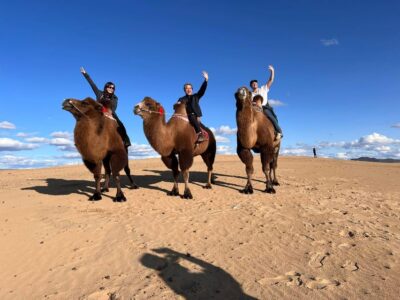
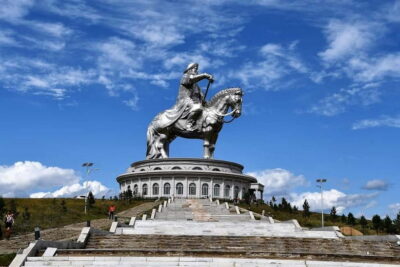
4 Day Best of Central Mongolia tour, Chinggis Khan statue
Read our review →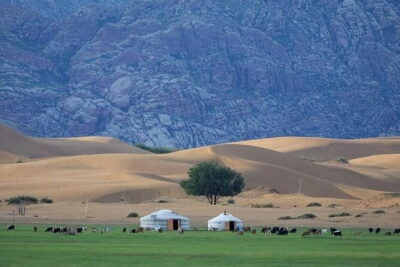
Semi-Gobi and Kharkhorum overnight private trip
Read our review →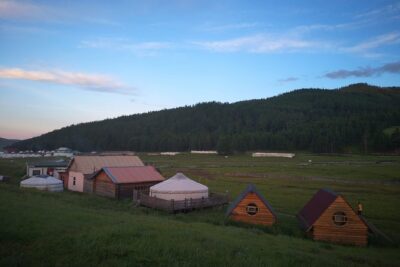
5 Days Terelj national Park Tour From Central Mongolia
Read our review →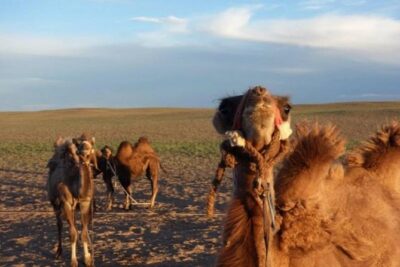
Browse the lists this tour appears in