Reviewed · EAGLE HUNTING & BAYAN OLGII TOURS
The Land Of Eagle Hunters
The heart of this trip is three days with a Kazakh eagle hunter family in western Mongolia. You are not simply watching a short performance. You stay in the family’s world, learn how golden eagles fit into daily life, and see the striking mix of Kazakh Muslim culture and Mongolian mountain life around Ölgii.
I like the small private format, which lets the pace and daily plans suit your group. I also like the range of settings: a family home, ger camps, mountain roads, glacier walks, lakes, a mosque, Buddhist monasteries, and the capital’s museums. The tradeoff is clear: long drives, basic rural lodging, early starts, and a moderate level of fitness are part of the deal.
Key things to know before you book
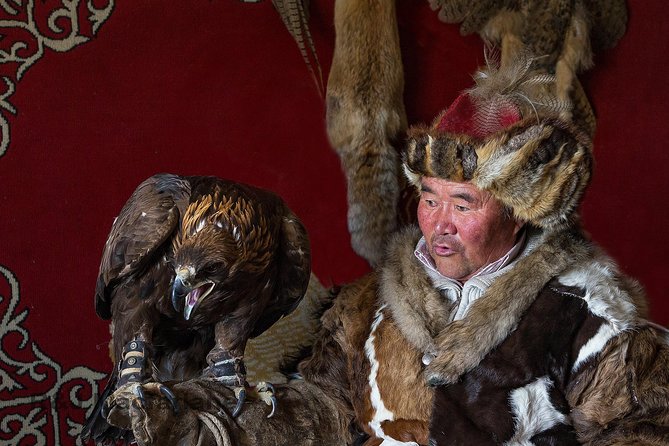
- Three nights with a Kazakh eagle hunter family: The most personal part of the trip, with a close look at nomadic customs and golden eagle hunting.
- Altai Tavan Bogd National Park: Expect high mountain scenery, Potanin Glacier, White River, Snake Valley, Khoton Lake, and Turgen waterfalls.
- A private 11-day journey: Only your group participates, so the experience is more flexible than a large coach tour.
- A strong cultural contrast: Ölgii offers a Kazakh Muslim identity, while Ulaanbaatar brings Mongolian Buddhist and national history.
- Long road days: The drive to Altai Tavan Bogd takes about seven hours, and the return to Ölgii is another full day on the road.
- Mostly covered meals and lodging: Ten breakfasts, ten dinners, and nine lunches are included, along with homestay, ger camp, and hotel accommodation.
Why the eagle hunter homestay matters
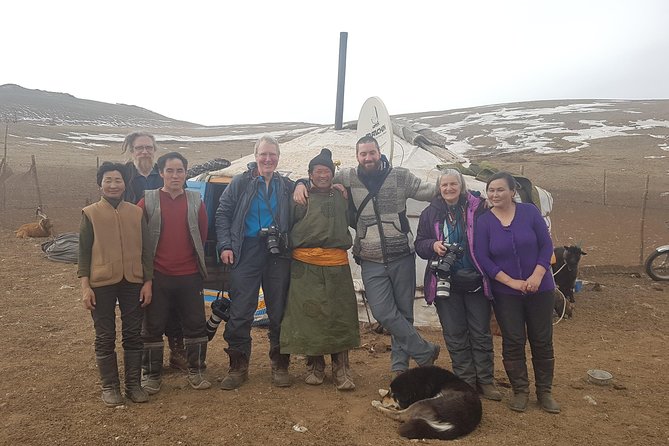
Golden eagle hunting is the signature subject here, but the real value comes from the setting around it. You spend three days living with a Kazakh family in the High Altai Mountains, where hunting with eagles is tied to family knowledge, seasonal movement, horses, and local identity.
That is very different from a brief cultural stop arranged around a photo opportunity. You have time to see how the family lives and to ask questions through your local support team. One particularly appealing part of the trip is the chance to learn about the relationship between hunter and bird, rather than only seeing an eagle carried on a gloved arm.
The western province of Bayan-Ölgii has a clear Kazakh majority and a Muslim cultural character. That gives the journey a strong sense of place. You are still in Mongolia, but the language, food, religious traditions, clothing, and eagle-hunting customs add another layer to the country’s identity.
The homestay may also be the least polished accommodation on the trip. That is not a flaw if you want daily life rather than a resort version of Mongolia. It does mean you should be comfortable with simple conditions, changing accommodation, and the practical limits of rural travel.
More eagle hunting trips:
- Genghis Khan Statue Day Tour+National Park+Camel Ride+Eagle
★ 4.5 · 261 reviews - Full Day Chinggis Khaan Statue & Terelj NP Tour +Horseride, Eagle
★ 5.0 · 7 reviews - Chenghis Khan Statue Complex+ National Park and Eagle Tour
★ 5.0 · 4 reviews
Days 1 and 2: Ulaanbaatar to Ölgii
Your first day begins at Buyant Uhaa Airport in Ulaanbaatar, with pickup listed for 8:00 a.m. You transfer to a hotel and have time to get your bearings in Mongolia’s fast-changing capital. Ulaanbaatar is the country’s center for culture, education, finance, and public life, so it provides a useful introduction before you head west.
Day 2 starts early with a domestic flight to Ölgii, the provincial center of Bayan-Ölgii. The flight saves you an enormous amount of overland travel and gets you quickly to the part of Mongolia that gives this trip its identity.
Ölgii is more than a staging point. Its Kazakh majority gives the town a different feel from Ulaanbaatar, and the visit helps put the coming homestay into context. You have time to explore the town and begin learning about the region before heading into the mountains.
Expect a change in comfort and rhythm once you leave the capital. Ulaanbaatar has hotels, museums, roads, and city services. Around Ölgii, the focus shifts to open country, family hospitality, and long vehicle journeys. That contrast is one of the trip’s strengths, but it also makes packing carefully important.
Days 2 and 3: From Ölgii to the High Altai
The route to Altai Tavan Bogd National Park takes about seven hours after breakfast and farewell to your hosts. This is not a quick transfer. It is a full day in the vehicle, with broad views, changing mountain scenery, and the sense that you are moving far from Mongolia’s urban center.
Altai Tavan Bogd occupies Mongolia’s western edge near the borders with China and Russia. The park is known for high peaks, glaciers, river valleys, and wide open spaces. The distance is part of the appeal, but you should not underestimate it. A private vehicle helps, since your group can stop and adjust the pace more easily than a large organized coach.
Accommodation changes during this section, with ger camps and rural stays included in the overall plan. A ger, the round felt dwelling associated with Mongolian nomadic life, can be warm and memorable, but facilities are usually simpler than in a city hotel. Ask about the exact sleeping and bathroom arrangements before departure if comfort is a major concern.
The family homestay is the strongest chance to connect with local life. The ger camp nights offer a different kind of rural stay, often with access to dramatic scenery and a practical base for walks. Moving between these places means less routine, but it gives you a fuller picture of western Mongolia.
Day 4: Riding toward Potanin Glacier
After breakfast, you mount horses and begin ascending toward Potanin Glacier. The glacier stretches about 14 kilometers and is surrounded by the peaks of the Altai Tavan Bogd massif. This is one of the trip’s most scenic and active days.
Horse riding adds an important local dimension. You are not only looking at the mountains from a vehicle window. You move through them in a way that reflects how people have long crossed and worked in this region. Still, the schedule makes clear that you need moderate physical fitness. Horse riding and mountain walking can be tiring, especially at altitude and in changeable weather.
You do not need to treat this as a technical mountaineering trip. The listed activities are riding and hiking, not climbing. Even so, sturdy footwear, layers, sun protection, and a willingness to handle uneven ground will make the day far more enjoyable.
Potanin Glacier is a visual high point, but it is worth keeping expectations sensible. Mountain conditions can affect views and access, and the tour does not promise a particular weather window. The reward is the chance to experience a remote glacial setting without turning the whole trip into a specialist expedition.
Further out of the capital, a different kind of trip:
- From Ulaanbaatar: Genghis Khan Statue NationalPark CamelRide
★ 4.8 · 353 reviews - From Ulaanbaatar: Central Mongolia Guided 3-Day Tour
★ 4.6 · 186 reviews - Ulaanbaatar: Small Group 3-Day Best of Central Mongolia Tour
★ 4.1 · 171 reviews - Terelj national park transport /Best price tour
★ 4.7 · 135 reviews
Days 5 and 6: White River, Snake Valley, and Khoton Lake
The next stage follows the White River south toward Snake Valley. Bayan-Ölgii is often regarded as Mongolia’s most scenic province, thanks to the high Altai Mountains and the green valleys between them. Here, the scenery changes from glacier country to river corridors, grass, rock, and open mountain views.
The schedule includes a two-hour hike along a clear stream. That walk gives you time to notice small details that disappear during a long drive: the sound of water, changing slopes, and the way the valley opens around you. It is a moderate outing, but you should still be prepared for uneven ground and a full day of movement.
After returning to the vehicle, you continue toward Khoton Lake. The lake covers about 50 square kilometers and is one of the major natural features in the park. Its scale gives the trip a pause after the more active mountain days.
Khoton Lake is also a good place to understand why the private format matters. The group can spend time by the water, walk in the surroundings, or simply take in the setting without the fixed feel of a large bus tour. On the other hand, the remoteness means you should not expect a menu of optional activities or city-style comforts.
The program’s variety is a real strength here. In only a few days, you have experienced a family home, a ger camp, mountain trails, river valleys, and a large lake. This is a trip for someone who values changing scenery and cultural contact more than a steady hotel base.
Day 7: Turgen Glacier and two waterfalls
The route then climbs toward the Turgen Glacier, which marks the border area between Mongolia and China. You hike for several hours to reach the small and large Turgen waterfalls, known locally as baga and ikh.
This is another active day, but it is broken into a manageable pattern: drive, hike, pause, and continue. A stop by a yurt gives you a chance to rest and connect the scenery with the region’s nomadic way of life.
The waterfalls provide a useful contrast to Potanin Glacier. Instead of one vast ice field and high peaks, you get moving water, a walking route, and a closer view of the valley. If you enjoy taking photographs, this day should offer varied subjects without requiring technical outdoor skills.
The border setting adds interest, but it does not mean the tour crosses into China. The route remains in Mongolia. As with every mountain day, weather and road conditions can shape the exact pace, so flexibility is part of the experience.
Day 8: The long return to Ölgii
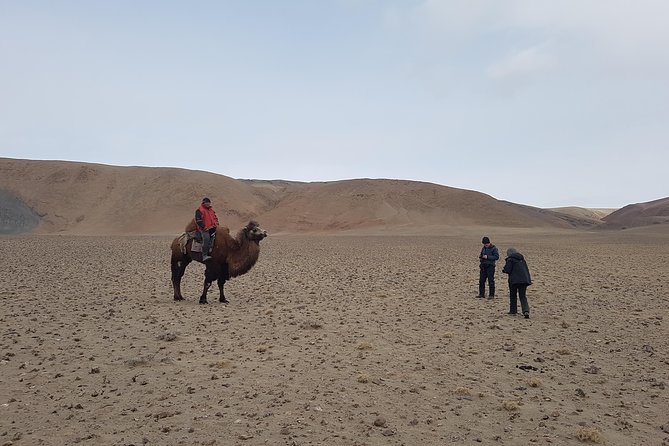
After the time around Khoton Nuur, you begin the long drive back to Ölgii. The route passes wide rivers, open country, and high mountain passes. This is likely to be one of the more tiring days because the vehicle time is substantial.
You should view this as part of the trip rather than dead time. The western Mongolian scenery changes slowly, and the road gives you a chance to see how vast the province really is. Bring patience, water, snacks if you prefer particular foods, and something to read or listen to during longer stretches.
The private vehicle is especially useful here. Your group has more control over breaks and can share the day with the same driver and local support team. Still, private does not mean short. No tour can remove the distances in western Mongolia.
Day 9: Ölgii culture and the return to Ulaanbaatar
Back in Ölgii, you visit the town’s largest mosque and walk through the main bazaar before flying to Ulaanbaatar. These stops round out the mountain portion with a closer look at everyday public life in the provincial capital.
The mosque visit is important because it gives you a direct sense of the region’s Kazakh Muslim character. The bazaar provides a more ordinary scene: shopping, local trade, and the practical business of town life. Together, they help prevent the western part of the trip from becoming only a nature excursion.
After landing in Ulaanbaatar, you visit Gandan Buddhist Monastery, the center of Mongolian Buddhism. This is a sharp cultural shift from the mosque and Kazakh traditions of Ölgii. The journey works best when you pay attention to these contrasts rather than treating them as isolated sightseeing stops.
Day 10: Mongolia’s past and present in the capital
Day 10 is spent on foot in central Ulaanbaatar, beginning at the National History Museum. Its permanent displays cover the civilizations that have occupied the territory of Mongolia from prehistoric times onward.
This museum visit gives you a framework for the people and places you have encountered. The western portion of the trip can feel focused on present-day nomadic life, while the museum helps connect that life to Mongolia’s longer story.
A city walking day is also a sensible way to finish an active trip. You have time to replace anything lost, rest your legs, and see a more modern side of Mongolia before flying home. The schedule is not overloaded with a long list of attractions, which is helpful after several days of roads and hikes.
What the $2,460 price delivers
At $2,460 per person, this is a substantial purchase. Its value depends on how much you want the western Mongolia section and how comfortable you are paying for access to remote places.
The price covers a private tour, accommodation across hotels, ger camps, and a homestay, plus ten breakfasts, ten dinners, and nine lunches. It also includes the structure needed to reach a part of Mongolia that is difficult to arrange independently, including long-distance road transport and the domestic flights shown in the schedule. Because the supplied inclusions list does not spell out every transport detail, confirm exactly what is covered before paying.
The three-day family stay is the feature that gives the price its strongest justification. A standard sightseeing tour could show you Ulaanbaatar and perhaps a national park, but it would be much harder to arrange a respectful, well-supported stay with an eagle hunter family and the transport needed to reach the High Altai.
You are also paying for time. Eleven days allows the trip to include several mountain areas, not just one quick stop. The cost will feel less worthwhile if you want luxury hotels, short transfers, or a tightly packed list of famous sights. It makes more sense if you value access, local contact, and a private schedule.
Mongolian Ways is the named provider, and booking communication is signed by Ron on behalf of the team. The available feedback places strong emphasis on feeling safe and comfortable during the journey, the support provided by the local team, and the unusually high density of different experiences. That fits the structure of the trip: the appeal is not one single attraction, but the way family life, mountains, religion, history, and road travel fit together.
Practical concerns before you commit
The tour requires moderate physical fitness. You will hike along streams, walk to waterfalls, ride horses toward a glacier, and spend long periods in a vehicle. You should be comfortable with uneven ground and with days that begin early.
Pack for variety. You need clothing suitable for city visits, mountain weather, horse riding, and simple rural accommodation. Bring layers, comfortable walking shoes, sun protection, and any personal medication you require.
The schedule includes pickup, and confirmation is provided at booking. The tour is private, so only your group takes part. That is valuable for such a remote route, but the cancellation rule is strict: the trip is non-refundable and cannot be changed for any reason. Travel insurance is not included, and neither is a Mongolian visa, so arrange both separately if needed.
The 11-day schedule is the version to plan around. The overview also describes the western section as a nine-day private tour, but the day-by-day program runs from Day 1 through Day 11, including arrival and departure in Ulaanbaatar.
Should you book The Land of Eagle Hunters?
Book it if you want real time with a Kazakh family, dramatic Altai scenery, and a private route that reaches beyond the usual Mongolian highlights. The trip suits an active, curious person who can accept long drives, basic stays, changing weather, and a less predictable rhythm.
Think twice if you need polished accommodation, short transfers, or a relaxed holiday with little physical effort. The strongest memories here are likely to come from the family homestay, the eagle-hunting tradition, the mountain roads, and the striking cultural contrast between Ölgii and Ulaanbaatar.
For the right person, the price buys something difficult to arrange alone: access to western Mongolia with local support and enough time to understand the place rather than simply pass through it.
FAQ
How long is The Land of Eagle Hunters?
The scheduled trip lasts approximately 11 days, from arrival in Ulaanbaatar through the international departure on Day 11.
Where does the tour start?
The listed starting point is Buyant Uhaa Airport in Ulaanbaatar, Mongolia. Pickup is offered, with an 8:00 a.m. start time shown.
How many days do you stay with the Kazakh eagle hunter family?
You spend three days living with a Kazakh eagle hunter family in the High Altai Mountains of western Mongolia.
What meals are included?
The tour includes 10 breakfasts, 9 lunches, and 10 dinners. Other meals are not specified as included.
Is the tour private?
Yes. Only your group participates in the activity, allowing for a more personal schedule and private transport arrangements.
Is a visa or travel insurance included?
No. Travel insurance and a Mongolian visa are not included in the tour price.
Just added around Ulaanbaatar
- 8 Day Great Gobi and Central Mongolia★ 5.0 · 3 reviews
- Terelj National Park & Chinggis Khan Statue Day Tour★ 5.0 · 3 reviews
- 2 Days Tour: Terelj National Park And Chinggis Statue★ 5.0 · 3 reviews
- Horseback Riding Tour to Turtle Rock & Aryabal★ 5.0 · 3 reviews
- Terelj and World energy center Gobi overnight train tour★ 5.0 · 3 reviews
- A Day Aglag Buteel Temple★ 4.5 · 3 reviews
- Nomad Family Home Stay in Arkhangai Province★ 5.0 · 3 reviews
- Essence of Mongolia 5 Days★ 5.0 · 3 reviews
Eagle Hunting & Bayan Olgii Tours, compared.
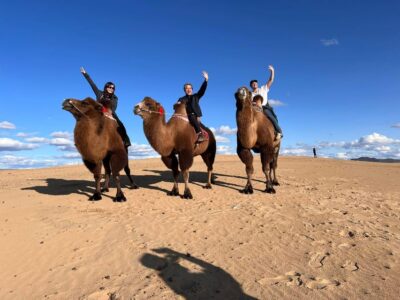
Genghis Khan Statue Day Tour+National Park+Camel Ride+Eagle
Read our review →